
In a world where efficiency and speed make all the difference, logistics faces increasingly complex challenges. From tracking thousands of shipments to planning routes and managing warehouses, traditional processes can lead to errors and delays. But what if technology could anticipate problems, optimise routes and reduce incidents without constant human intervention? This is where artificial intelligence in logistics comes into play.
Parcel delivery and distribution companies are incorporating artificial intelligence-based tools to make more accurate decisions and automate tasks that previously consumed significant amounts of time. This technological revolution not only improves efficiency but also transforms the customer experience by reducing delays and errors in every shipment.
What Is Artificial Intelligence Applied to Logistics?
Artificial intelligence applied to logistics consists of using algorithms and machine learning systems to analyse large volumes of data and automate complex processes. Unlike traditional methods, AI can identify patterns in shipment behaviour, predict incidents and suggest optimal decisions in real time.
On the other hand, AI does not replace logistics professionals; it enhances their work. From inventory management to route planning and shipment tracking, intelligent systems enable operators to make decisions based on accurate and predictive data.
What Is Artificial Intelligence Used for in Logistics Management?
Artificial intelligence in logistics is used for a wide variety of critical functions. For example, in route planning, AI algorithms can calculate the most efficient route by considering traffic conditions, weather and carrier availability. This reduces delivery times and optimises company resources.
In addition, AI makes it possible to anticipate demand and manage inventory more accurately, preventing stock shortages or excessive stock accumulation. It is also used to predict potential issues, such as delays or problems at delivery points, enabling preventive solutions to be implemented before customers are affected.
How AI Helps Reduce Logistics Errors and Incidents
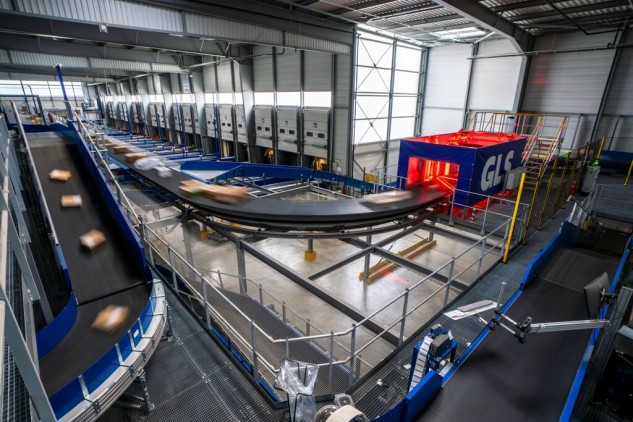
Without a doubt, one of the greatest benefits of artificial intelligence in logistics is the reduction of errors. AI systems analyse historical and real-time data to detect inconsistencies in orders, poorly planned routes or potential risks of delay.
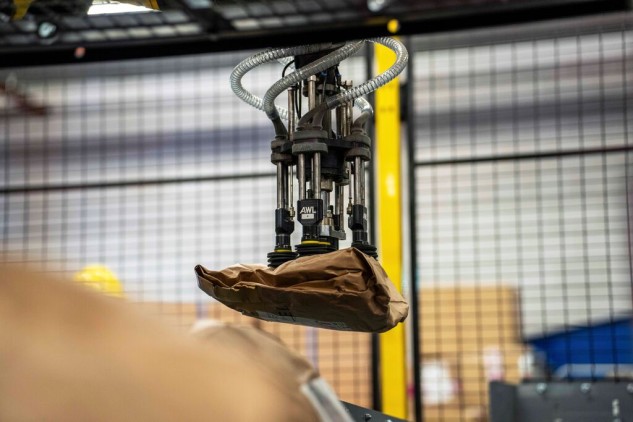
In addition, automating repetitive processes, such as parcel sorting and route assignment, minimises the risk of human error. This not only improves delivery accuracy but also allows operators to focus on strategic tasks, increasing the overall productivity of the supply chain.
Applications of Artificial Intelligence in Warehouses and Order Fulfilment
In warehouses, AI is used to optimise product placement and speed up order fulfilment. Intelligent robots can pick and pack items efficiently, while AI systems analyse inventory turnover to position high-demand products in strategic locations.
Deliveries to Lockers and Convenience Points
AI also helps determine where and how to place parcels in lockers or convenience points, improving flexible parcel delivery. This ensures shipments are organised efficiently and customers can access them quickly and easily, enhancing the delivery experience.
Flexible Delivery Times and Scheduled Collection
Another example of AI application is the management of flexible deliveries and automatic rescheduling. Intelligent systems adjust routes and schedules according to recipient availability, reducing failed deliveries and avoiding unnecessary redelivery attempts that generate additional costs.
Benefits of Implementing Artificial Intelligence in a Company's Logistics Operations
Implementing AI in logistics offers numerous advantages: increased efficiency, reduced errors, route optimisation and improved inventory control. In addition, companies can anticipate incidents before they occur, reducing delays and improving customer satisfaction.
Furthermore, artificial intelligence in logistics makes it possible to analyse large volumes of data and generate real-time performance reports, facilitating strategic decision-making and the identification of opportunities for continuous improvement.
Which Companies Can Benefit Most from Artificial Intelligence in Logistics?
Any company that handles significant shipment volumes, particularly in e-commerce and urban and rural distribution, can benefit from AI in logistics. Parcel delivery companies, distribution operators and retailers with multiple storage centres can increase efficiency, reduce costs and improve the customer experience.
Therefore, the integration of intelligent systems is not only useful for large corporations; even medium-sized businesses can implement AI solutions to automate critical processes and optimise logistics management.